Support in Mother-Tongue Is Crucial for Overcoming War Trauma
2026. October 16.
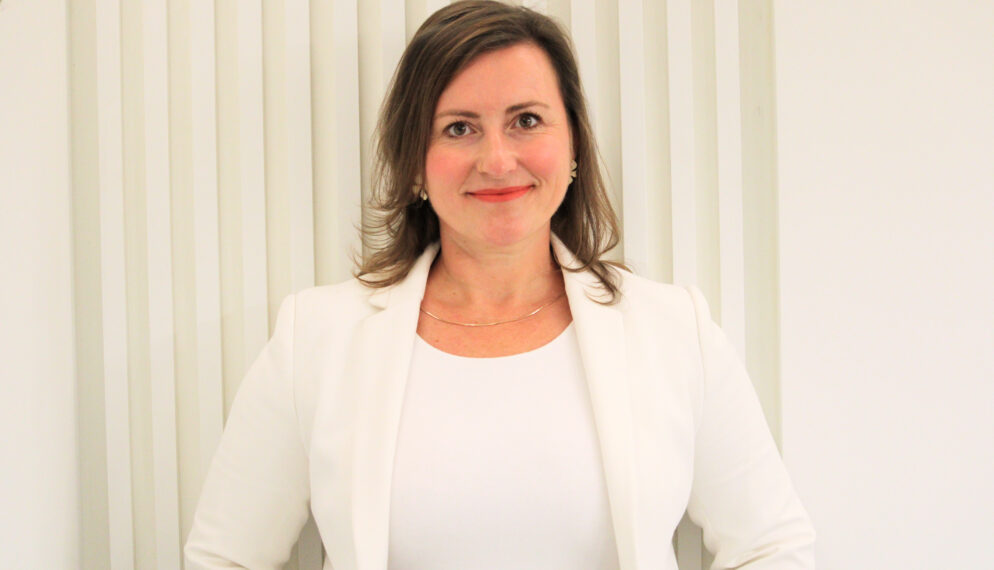
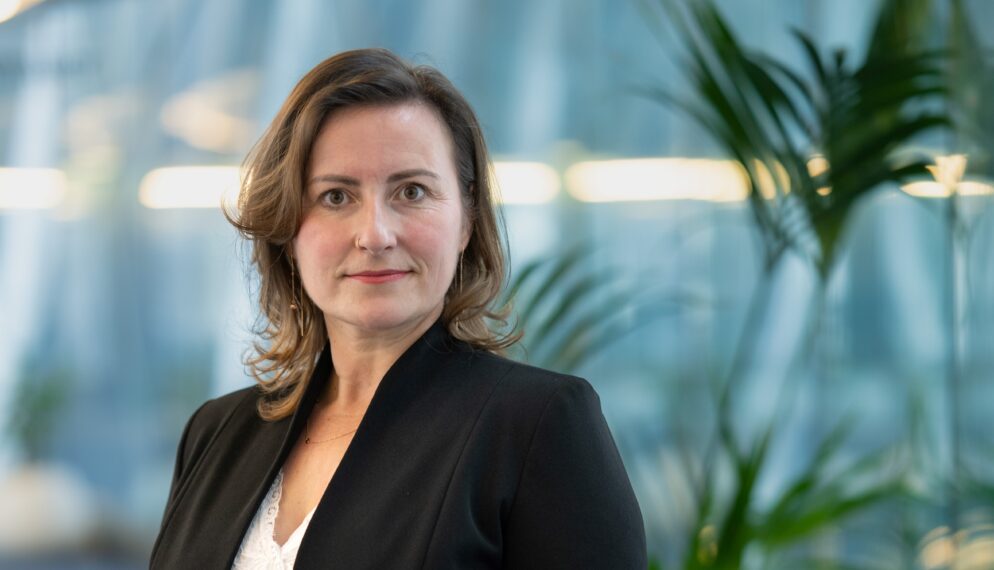
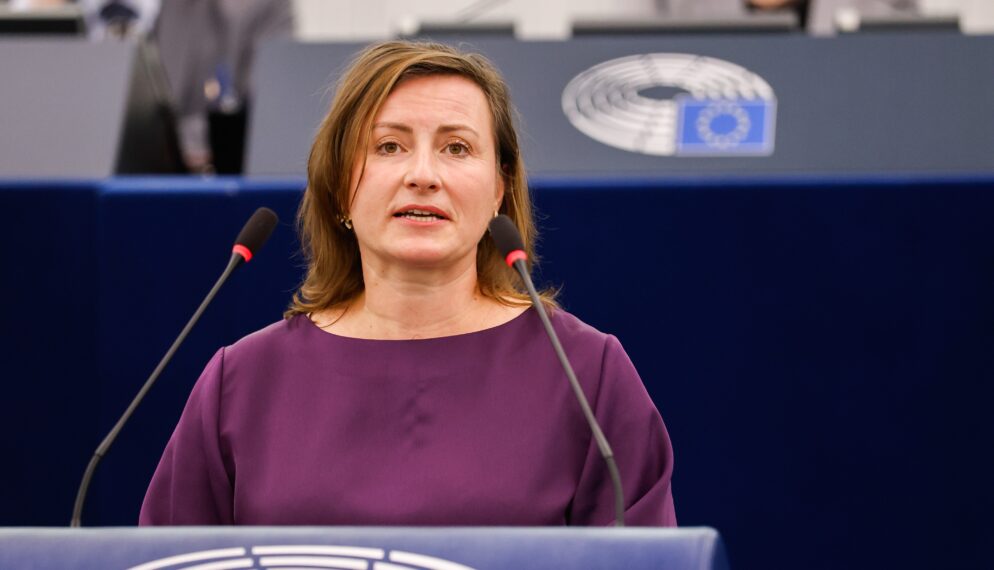
Viktória Ferenc spoke about the psychological consequences of war trauma and the importance of access to healthcare support in one’s mother tongue at a conference on mental health organised by the European Parliament’s Committee on Public Health. The MEP, who was born in Transcarpathia and is a member of the Fidesz–KDNP delegation, highlighted the situation of war-affected communities, including Hungarians in Transcarpathia, in the context of preparations for the upcoming EU mental health strategy report.
“War does not end at the frontline,” Viktória Ferenc stressed, pointing out that women, the elderly and young people in Transcarpathia bear the psychological burden of war every day. The constant uncertainty, air raid alerts, military conscription, concern for loved ones, daily reports of deaths, funerals and cemeteries filled with military graves place a significant emotional burden even on those who are not directly exposed to the fighting. “Life cannot be put on hold,” as people in Transcarpathia often say. However, carrying on with everyday life does not mean that the fears and trauma caused by war must be processed without support.
At the conference, Viktória Ferenc asked experts what research findings and quantitative evidence support the effectiveness of psychological assistance provided in a person’s mother tongue. She also asked whether mother-tongue care is important merely because it facilitates communication, or whether it also improves treatment outcomes, especially in cases of war trauma. In their responses, the experts unequivocally reaffirmed the essential role of mother-tongue support and community-based solutions.
The MEP emphasised that mental health support must be accessible to everyone, including assistance provided in their mother tongue. Language is not merely a means of communication; it is also a source of emotional security and trust, which can be particularly important when dealing with trauma. Members of national minorities must also have the opportunity to speak in their own language about their fears, losses and psychological difficulties.
The MEP emphasised that mental health support must be accessible to everyone, including assistance provided in their mother tongue. Language is not merely a means of communication; it is also a source of emotional security and trust, which can be particularly important when dealing with trauma. Members of national minorities must also have the opportunity to speak in their own language about their fears, losses and psychological difficulties.