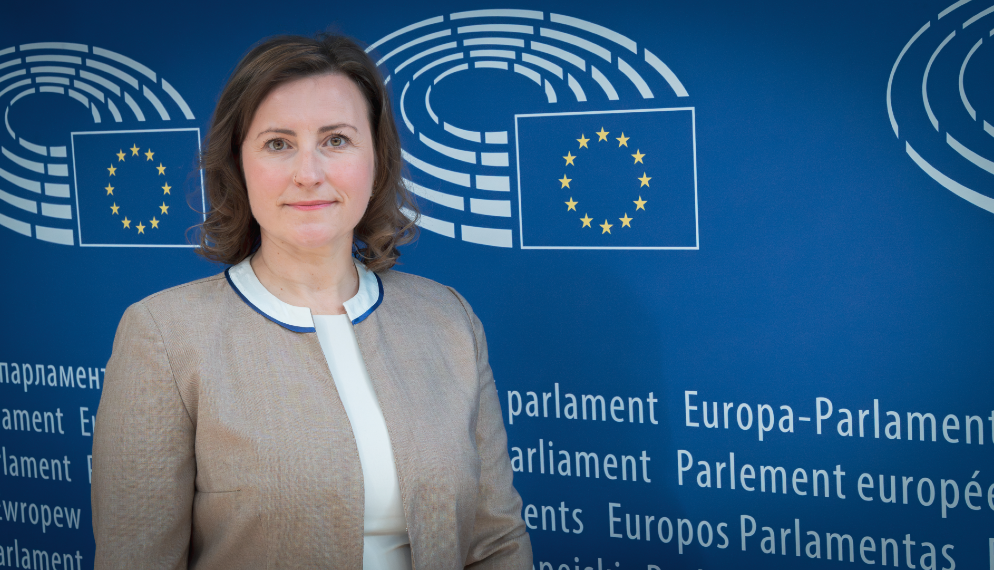
9th Transcarpathian Day in Brussels – Spotlight on the Fate of Transcarpathian Hungarian Women
2024. November 21.
On 19 November 2024, the 9th Transcarpathian Day was held in Brussels, organized by MEP Viktória Ferenc. This year’s event placed special emphasis on the exemplary resilience of Transcarpathian Hungarian women. The now traditional event aims to showcase the values and culture of Transcarpathia, as well as the current challenges faced by the Hungarian community living there, in the capital of the European Union.
At the ceremonial opening, guests were welcomed by Zsófia Kovács, Director of the Liszt Institute in Brussels; Tamás Iván Kovács, Ambassador of Hungary to Belgium and Luxembourg; Viktória Ferenc, a Fidesz MEP and member of the Patriots for Europe group; Andrea Bocskor, founder of Transcarpathia Day and former Fidesz MEP; and Lívia Balogh, President of the Uzhhorod Branch of the Transcarpathian Hungarian Cultural Association.
The event carried particular significance this year, as it marked the 80th anniversary of the “málenkij robot”, during which thousands of Transcarpathian German and Hungarian fathers, husbands, and sons were deported to forced labor camps—many never returning to their families. The occasion also had a somber actuality: it coincided with the 1000th day of the Russia–Ukraine war. The MEP remarked: “One thousand days. That is how long the people of Ukraine, including the Hungarians of Transcarpathia, have endured the horrors of war. A war fought on European soil has shaken the entire population of Europe, regardless of nationality, and has prompted many forms of solidarity from the Member States of the Union. Hungary, too, extended a helping hand to those fleeing the war, carrying out the largest humanitarian relief effort in its history.”
The evening paid tribute to the Transcarpathian Hungarian women who play a key role in survival, facing times of immense trial in both 1944 and 2024, left on their own in the absence of men. “No war in history has spared women. It was their sons and husbands who fell or were sent to camps; they became widows or orphans; they were humiliated and they mourned their dead; they were the ones who tried to create bearable conditions for their children,” emphasized the MEP.
In this context, researchers from the Ferenc Rákóczi II Transcarpathian Hungarian College of Higher Education, historian Erzsébet D. Molnár and sociologist Kornélia Hires-László, gave scholarly presentations highlighting the historical perseverance of Transcarpathian Hungarian women and their struggles in everyday life during wartime. Following the academic programme, the audience attended the premiere performance “The Country of Women.” The stories of women’s sacrifice and survival were brought to life by Nelli Szűcs and Viktória Tarpai, Jászai Mari Award-winning actresses of Transcarpathian origin.
Viktória Ferenc, the organiser of the event, underlined the importance of keeping Transcarpathia’s history and culture in the European focus while also drawing attention to the challenges faced by the Hungarian community there: “There is no question that the Hungarian community of Transcarpathia is living through one of the most difficult periods in its history. Alongside the horrors of war, the Hungarian minority in Transcarpathia is also suffering from the curtailment of its previously acquired rights. Yet these hardships only make the community stronger, more resilient, and more determined.”